Steel vs. Concrete: What’s Best for Industrial Buildings in the UK?
If you are planning a new industrial building, one of the most crucial decisions is which construction materials are used.
Here in Britain, steel framed buildings and concrete structures are two of the most common choices. Both offer different benefits, but the best choice can depend on a number of factors, including how quickly the construction needs to be, cost, sustainability and flexibility.
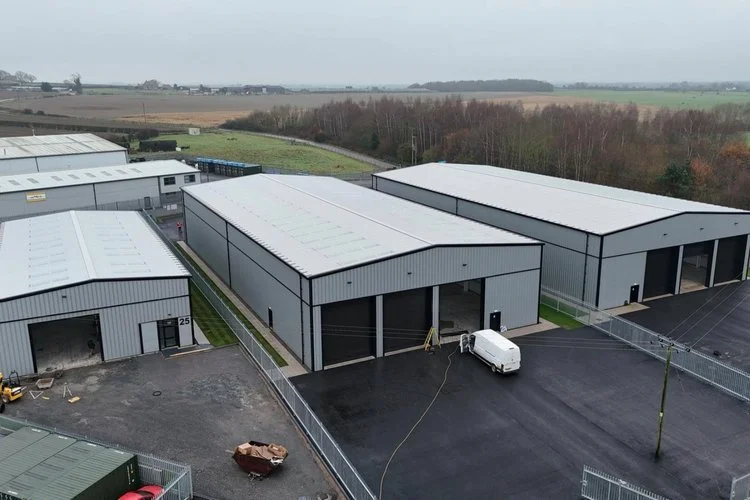
At AC Jackson, we’ve been supplying and erecting steel framed buildings for over 35 years, working across the UK on a wide range of industrial, agricultural and equestrian projects.
From modern warehouses to bespoke industrial units, we understand what businesses need, and why steel frames are such a great investment. Let us look closer at the benefits of having a steel frame in comparison to concrete.
Speed of Construction
Steel wins hands down when it comes to speed. That is because steel frames can be manufactured off-site to your exact specifications.
Once delivered, they can be erected quickly, with most industrial builds completed in a fraction of the time it takes for concrete structures. Since it is so fast, it means businesses can get back into action sooner.
In comparison, concrete involves processes like curing and drying times. There might be delays due to the weather, which can mean projects are set back. This is a particular risk during the wet, cold weather of autumn and winter.
If your industrial project has limited time, or you want to avoid unwanted disruptions, steel is the smarter choice.
Controlling Your Budget
On the surface, the actual materials might not differ drastically in price. However, steel frame buildings offer better value when you consider the costs of the entire project.
Since steel requires less labour, it isn’t vulnerable to delays due to the weather, and can be installed quickly, it all makes a difference.
Prefabricated components allow for better cost prediction and fewer surprises.
Structural Strength and Flexibility
Both materials are famously tough, but steel offers greater flexibility without compromising structural integrity.
Steel’s high strength-to-weight ratio allows for wide spans without the need for internal support. This is ideal for industrial buildings which need open-plan layouts, expansive storage areas, or adaptable areas. It is especially advantageous for logistics centres, factories and vehicle depots.
Concrete structures can handle heavy loads, but they lack the design freedom that steel provides. Once a concrete structure is set, modifying the design is difficult and expensive.
Many modern businesses want flexible interiors and the ability to expand or modify a building in future. In that respect, steel is a better choice.
Durability and Maintenance
Concrete is highly durable and naturally resistant to fire and corrosion. However, modern galvanised steel used in industrial frame buildings is also extremely tough and built to last for many years to come.
At AC Jackson, we provide high-quality painted or galvanised coatings for your steelwork, specifically designed to resist the elements, reduce corrosion, and deliver long-lasting performance with minimal maintenance. Regular inspections and basic upkeep are usually all that’s needed.
Concrete can crack over time, especially with ground movement or fluctuations in temperature. Repairs can be difficult and expensive, especially if structural integrity is compromised.
Steel is reliable over the long-term, with fewer ongoing concerns in regards to maintenance, particularly important for remote or high-traffic industrial sites.
The Sustainability Factor
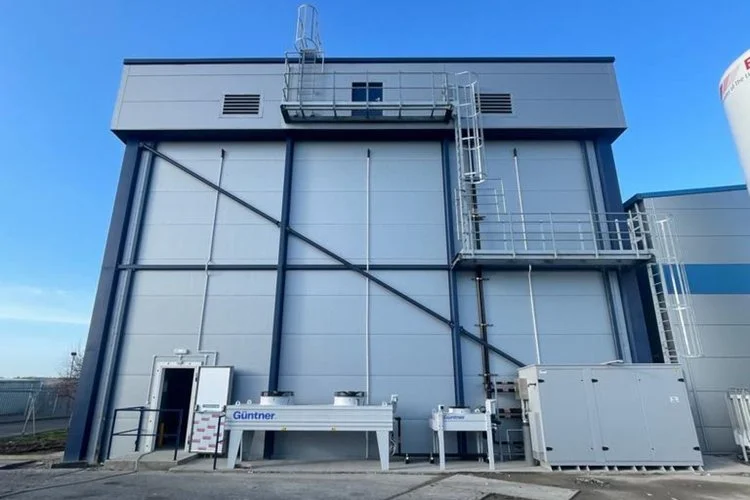
Did you know that steel is 100% recyclable? Many UK steel frame buildings today are made from recycled material and can be fully recycled again at the end of life. If sustainability is a key goal, or if you are seeking BREEAM or other green certifications, steel gives your project a head start.
Design and Aesthetics
Steel buildings can be customised with cladding, roofing and other architectural features. Whether you are aiming for a utilitarian look or a modern industrial site that reflects your branding, steel offers design flexibility without complexity.
Concrete buildings can also be customised but often demand more complex design and structural considerations. This can make the process much slower and increase costs.
If you want a building that reflects your brand or particular operations, steel makes customisation easier and more affordable.
Why AC Jackson Recommends Steel Frame Buildings
With decades of hands-on experience and successful projects across the Grosvenor Estate, Bolesworth Estate and beyond, we have seen first-hand how industrial steel frame buildings outperform alternatives for most businesses in the UK.
Our clients value our end-to-end service, from initial design and groundworks to full erection and completion. Every structure is tailored to our exact specifications and built to last.
At AC Jackson, we believe in delivering quality, efficiency and value. We operate nationwide and take pride in our reputation for expert workmanship, customer satisfaction, and a future-focused approach.
To sum up, for most industrial applications in the UK, steel frame buildings offer that unbeatable combination of speed, flexibility, cost-effectiveness and sustainability. While concrete has its place, especially in multi-storey buildings or highly specialised applications, steel is the go-to choice for efficient, modern industrial construction.
Thinking of starting a new industrial project? Contact AC Jackson to discuss how our steel frame solutions can work for you.